
i3R – B2B Marketing Co.

Blogs

Blogs

B2B Growth Engine: Why Leading with Value is the Only Networking Hack You Need

The most effective networking hack for accelerating business growth is simple, yet rarely executed: lead with unsolicited value and make the ask zero in the first interaction. For marketing leaders, this principle mirrors what we already know works in modern marketing—value precedes conversion. Traditional networking often resembles outdated outbound marketing: an immediate pitch, a rushed CTA, or a premature request for time or budget. Predictably, it triggers resistance. The value-first approach flips this script entirely, aligning networking with high-performing marketing strategies like content-led growth, community building, and account-based marketing. By prioritising trust and reciprocity—the true currencies of B2B relationships—you’re effectively warming the market before ever asking for demand. When you focus on what you can give an exclusive market insight, a data-backed trend you’re seeing across campaigns, a candid lesson from a failed launch, or a strategic introduction to someone solving a similar problem, you position yourself not as a vendor, but as a credible brand asset and growth partner. This is the human equivalent of delivering a high-value thought leadership asset before asking for a demo. For marketing leaders, this shift transforms networking into pipeline enablement. Conversations move from transactional selling to strategic collaboration. You’re no longer “pitching”—you’re co-creating relevance, building mental availability, and earning trust long before a brief, budget, or RFP exists. The result is stronger brand equity, shorter sales cycles, and relationships that convert because they were nurtured, not chased. About Author: Saba Idrisi is a seasoned marketing professional, and is passionate about delivering impactful B2B market engagements.

B2B Growth Engine: Why Leading with Value is the Only Networking Hack You Need Read Post »

Business Growth through F2F
Blogs

Propelling Business Growth through F2F 

Face-to-face (F2F) events help businesses go onwards and upwards, expanding their market reach. F2F events enable the company to build authentic relationships, establish credibility and thought leadership, gather immediate feedback, and generate quality leads that lead to higher conversion rates.  Today’s digital age makes human contact highly valued. F2F interactions allow representatives to engage directly with potential clients, use non-verbal cues like eye contact and body language, and put a “face” to the brand. This personal touch encourages trust and rapport, which are essential for building long-term business relationships and customer loyalty that are difficult to achieve through digital means alone. Participation in industry events, trade shows, and conferences also enhances a company’s visibility within its target market. Such exposure positions the organisation as an active and relevant player in its sector, often amplified by media coverage and social media engagement.  Moreover, F2F events offer platforms for sharing insights, participating in panel discussions, or hosting workshops. This allows a company to demonstrate its industry expertise and innovative solutions, positioning itself as a thought leader and a credible choice over competitors.  In-person events are powerful tools for generating leads. Direct interaction makes it easier to identify prospects, understand their specific needs and pain points in real-time, and tailor solutions on the spot. This often shortens the sales funnel and leads to higher conversion rates compared to other marketing channels. Additionally, interacting with a diverse audience of customers, prospects, partners, and even competitors provides invaluable feedback on product offerings, messaging, and market trends. These insights help refine future strategies and product development to better align with the market needs.  Events allow for interactive product demonstrations and engaging experiences that evoke positive emotions in potential customers. People remember experiences that resonate with them emotionally, which can significantly influence their purchasing decisions and encourage word-of-mouth referrals.  By strategically integrating F2F events with its marketing efforts, companies can maximize its overall market reach and drive sustainable business growth.  Your thoughts are welcome, and should you wish to learn more about how we facilitate these, please DM me along with your contact number and email id and we will share the details with you.

Propelling Business Growth through F2F  Read Post »

B2B Marketing
Blogs

Less Noise, More Impact: Redefining B2B Marketing Through Simplicity 

In today’s world, every brand is shouting louder than the other with more content, more campaigns, more data and definitely more noise. But in B2B marketing the brands that are truly standing out aren’t the ones screaming the loudest; they’re the ones speaking the clearest. Simplicity has quietly become the strongest differentiator. Over the years, I’ve noticed that the biggest challenge for most B2B marketers isn’t lack of creativity or strategy, it’s overcomplication. We keep adding layers of jargon, multiple touchpoints and complex funnels, forgetting that our audience is human too. Simplicity doesn’t mean being basic; it means being clear, relevant and easy to connect with. Whether it’s a campaign, a pitch deck or a website, the goal should be to make the message effortless to absorb. When communication flows naturally, decision-making follows. The simpler the experience, the faster the trust builds. Think about it: an overloaded campaign with ten CTAs rarely performs better than one sharp, meaningful message that connects emotionally and professionally. Even when we talk about automation or AI tools in B2B marketing, the focus shouldn’t be on using every shiny new feature; it should be about how those tools simplify the buyer’s journey. Minimalism in design, precision in storytelling and clarity in communication are now driving engagement better than loud visuals or complex content. The beauty of simplicity is that it allows the real value to shine through your product, your expertise and your intent. At the end of the day, B2B marketing isn’t about who makes the most noise. It’s about who creates the most impact quietly, clearly and confidently.  

Less Noise, More Impact: Redefining B2B Marketing Through Simplicity  Read Post »

Powering MICE Experiences Through Marketing
Blogs

Powering MICE Experiences Through Marketing

The MICE industry — Meetings, Incentives, Conferences and Exhibitions has become one of the most influential platforms for business engagement today. Yet what truly brings life to MICE events is the strategy behind them and that’s where marketing plays a vital role. Every meeting, conference or exhibition is more than just an event; it’s an opportunity to connect businesses, build relationships and create brand experiences that leave a lasting impression. Marketing forms the backbone of every MICE initiative. It begins long before the event itself, shaping the way organisations communicate, promote and position themselves in the market. Through thoughtful campaigns, storytelling and outreach, companies attract the right audience, people who not only attend but also engage, collaborate and influence decisions. In this way, marketing ensures that each event delivers real value by connecting the right brands with the right people. The pre-event phase is where marketing truly sets the stage. From digital promotions and personalised invitations to content that builds curiosity, every effort aims to generate anticipation and awareness. It helps brands showcase their expertise and establish credibility, making delegates look forward to meaningful interactions. Once the event begins, marketing continues to play its part by curating impactful experiences. Whether through engaging visuals, live demonstrations or thoughtful communication, it ensures that every touchpoint reflects the essence of the brand. After the event, the focus of marketing shifts towards relationship building. The connections made during MICE events are nurtured through follow-ups and thank-you mailers. This sustained engagement helps convert leads into long-term business relationships. The insights gathered from delegate behaviour and feedback also help brands refine their future strategies, ensuring each event becomes more effective than the last. In simple terms, MICE creates the space, but marketing gives it purpose. The two complement each other perfectly, one offering the platform the other driving the connection. When done right, this combination transforms ordinary events into meaningful business experiences, helping brands grow, collaborate and stay relevant in an ever-evolving industry. About Author: Saba Idrisi is a seasoned marketing professional, and is passionate about delivering impactful B2B market engagements.

Powering MICE Experiences Through Marketing Read Post »

Real-Talk-About-AI-in-Marketing
Blogs

Real Talk About AI in Marketing: A Reality Check on Automation, Creativity and Value

Let’s be honest—most of us have felt that mix of excitement and uneasiness every time a new AI tool makes the news. On one hand, it promises more content, smarter insights and higher ROI. On the other hand, it can feel like technology is inching closer to taking over our jobs. I’ve been exploring this space for a while, experimenting with where AI fits into daily workflows. And here’s what I’ve realized: AI isn’t here to replace marketers, creatives or strategists. It’s here to amplify us. It gives us back time, sharpens our focus and helps us double down on the parts of work that only humans can do. AI isn’t “the future taking over”, it’s the toolkit for those who want to thrive in the future.   AI as the Strategic Partner For years, we’ve been bogged down by repetitive tasks sorting through endless data, segmenting lists or trying to identify patterns hidden in the noise. This is where AI really proves its worth. Take predictive analytics or lead scoring, for example. Instead of guessing who’s ready to engage, AI can quickly process thousands of signals, web activity, downloads, interactions and highlight what truly matters. The value isn’t just speed; it’s focus. It helps us move from broad, scattershot campaigns to more meaningful, targeted conversations. Content That Connects, Not Just Churns A common fear I hear is that AI-generated content will turn every blog or email into a bland, lookalike piece. I see it differently. For me, AI is a research assistant, not the author.  I lean on it to summarize topics, surface stats, or suggest fresh angles. But the insight, voice, and storytelling? That’s my job. That’s where human marketers shine. AI clears the heavy lifting so I can put more energy into narrative, emotion and connection the things algorithms can’t fake. The Bigger Picture   AI isn’t about removing people, it’s about removing friction. It frees us from repetitive, time-draining tasks and shifts the focus from chasing volume to delivering value. The people who thrive won’t be the ones resisting AI, but the ones learning how to integrate it thoughtfully using it to elevate strategy, creativity and relationships. That’s where the real edge lies. And in my experience, that’s where the magic starts. About Author: Saba Idrisi is a seasoned marketing professional, and is passionate about delivering impactful B2B market engagements.  

Real Talk About AI in Marketing: A Reality Check on Automation, Creativity and Value Read Post »

Daily Routines Can Teach Big Marketing Discipline
Blogs

The Commute Lesson: How Small Daily Routines Can Teach Big Marketing Discipline

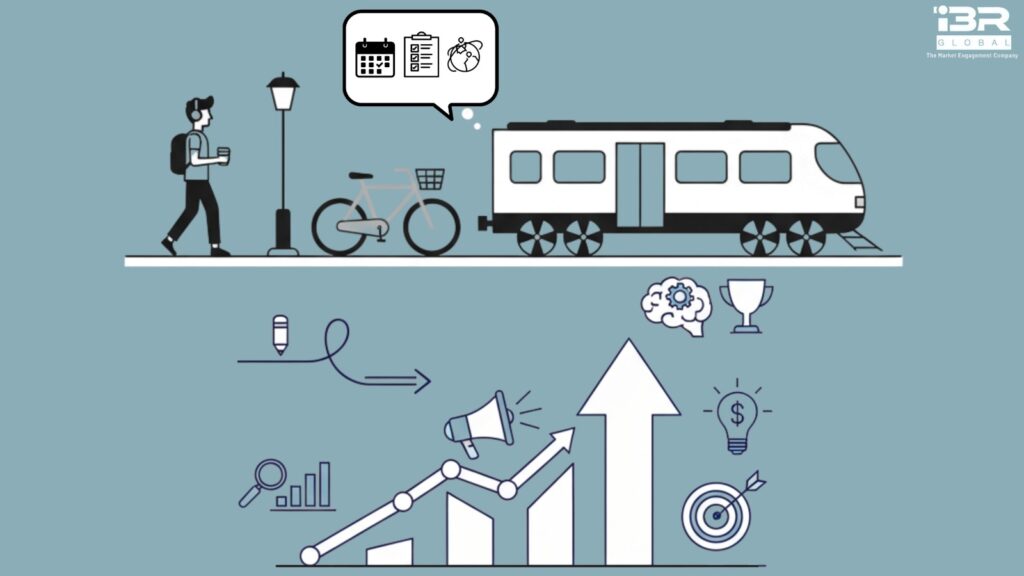
Every morning, millions of professionals start their day the same way: coffee in hand, a quick glance at emails, and the commute begins. At first glance, it’s routine, but hidden within this daily ritual are powerful lessons for marketing. Take planning, for example. Commuters check traffic, prepare for delays, and leave on time to ensure a smooth journey. In marketing, campaigns need the same foresight. Anticipating challenges, preparing content in advance, and mapping audience touchpoints can prevent last-minute chaos and ensure campaigns stay on track. Consistency is another lesson from the road. Those who commute regularly know that steady routines create reliability and momentum. Similarly, consistent marketing efforts such as regular emails, content updates, and engagement activities build trust with audiences and gradually strengthen relationships. Adaptability is equally important. Any seasoned commuter has faced sudden roadblocks: train delays, traffic jams, unexpected weather. The ability to pivot quickly is crucial. Marketers face the same reality. Audience behaviour shifts, market conditions fluctuate, and campaigns sometimes underperform. Flexibility, whether it’s adjusting messaging, reallocating budgets, or experimenting with new approaches, is key to staying relevant. Then there’s attention to detail. On the road, noticing a faster lane or a quieter route makes a difference. In marketing, observing subtle audience cues such as email opens, webinar attendance, or content downloads can guide strategy and create more impactful campaigns. Finally, patience and timing are essential. Just as a rushed commuter may miss a train, impatient marketers may push campaigns too quickly or overlook the right moment for engagement. Understanding when to act and when to wait can make all the difference. The daily commute, seemingly ordinary, is actually a microcosm of marketing discipline. Planning, consistency, adaptability, attention to detail, and timing are all essential for navigating complex B2B campaigns are lessons we can glean from the journeys we take every day. Sometimes, it’s the simplest routines that teach the most profound lessons. About Author: Garima Rai is a B2B marketing specialist turning real-world experiences into strategic: B2B insights, helping brands connect through relevance, reliability and innovation.

The Commute Lesson: How Small Daily Routines Can Teach Big Marketing Discipline Read Post »

How AI Is Reshaping Lead Generation
Blogs

Bots, Brains and B2B: How AI Is Reshaping Lead Generation

In the evolving landscape of B2B marketing, Artificial Intelligence (AI) is not just a buzzword, it’s a transformative force redefining how businesses generate and nurture leads. From predictive analytics to personalised outreach, AI is revolutionising lead generation by making it faster, smarter and more effective. One of the most significant impacts of AI in B2B lead generation is predictive lead scoring. Traditional methods often relied on manual input and historical data, which could be time-consuming and prone to error. AI-driven predictive analytics automate this process by evaluating various factors such as engagement levels, firmographics and behavioural signals to assign scores to leads based on their likelihood to convert. This enables sales teams to prioritise their outreach, focusing on the most promising leads and improving conversion rates. Personalisation is another area where AI is making significant strides. Through machine learning algorithms, AI analyses individual preferences and behaviours, allowing companies to deliver tailored content and messaging. This could range from targeted email campaigns to customised landing pages, all designed to resonate with specific audience segments. Such personalised experiences not only enhance customer engagement but also increase the likelihood of conversion. Moreover, AI-powered chatbots and virtual assistants are becoming essential tools for B2B lead generation. These systems engage website visitors in real time, answering questions and guiding them through the buyer’s journey. By providing immediate responses, chatbots help capture leads that might be lost due to delayed follow-ups. They can also qualify leads by asking targeted questions and gathering essential information before passing them to sales teams, ensuring more focused and effective outreach efforts. Ultimately, AI is revolutionising B2B lead generation by introducing predictive analytics, enhancing personalisation and facilitating real-time engagement through chatbots. As AI continues to evolve, businesses that embrace these tools will be better positioned to grow, adapt and connect with the right customers. About Author: Saba Idrisi is a seasoned marketing professional, and is passionate about delivering impactful B2B market engagements.

Bots, Brains and B2B: How AI Is Reshaping Lead Generation Read Post »

Lessons from Everyday Life
Blogs

“The Grocery Store Guide to B2B Marketing: Lessons from Everyday Life”

Have you ever popped into the supermarket for a simple loaf of bread… only to emerge half an hour later with a basket brimming with snacks, a bottle of cold drinks, some cleaning spray you’ve never used before, and a box of tea you didn’t know existed? We’ve all been there. It might feel like an impulsive detour from your plan, but in reality, that little trip down the aisle’s mirrors something far bigger: the B2B marketing journey. Because while we like to believe that business decisions are strictly rational based on logic, data, and analysis the truth is, just like in the supermarket, they’re influenced by emotion, timing, habit, and presentation. Let’s take a walk through the aisles together. “Aisle One: Awareness – Catching the Eye” You push your trolley in, no list in hand, just a vague idea of what you need. And then bam a towering display of alphonso mangoes, or a cheeky ‘Buy One Get One Free’ on cookies stops you in your tracks. You didn’t come in for that. But now it has your attention. This is awareness. In B2B, it’s the moment your brand catches someone’s eye. Not by shouting the loudest, but by being in the right place, at the right time, saying something that matters. A well-timed post, an insightful article, a conversation overheard in just the right meeting it’s all about visibility and relevance.  You’ve caught their attention. Now what? “Aisle Two: Consideration – The Comparison Game” You’re now holding two jars of honey. One’s locally made, organic, with a charming label. The other’s cheaper and on a three-for-two offer. You read the backs, check your budget, maybe even glance at reviews on your phone. It’s a battle of value, story, and trust. This is consideration. In the B2B world, it’s when people start lining you up with your competitors. They’ll browse your site, skim your case studies, compare your tone, your transparency, your ethos. It’s less about selling, more about showing who you are, how you think, and whether you’re the right fit. They want to know: if I pick this one, will it deliver? “Aisle Three: Decision – Into the Basket” Decision time. The jar goes into the trolley. You’ve made the call. In B2B terms, this is where engagement turns to action. Perhaps it involves contracts, approvals, procurement portals, or a hundred emails. But underneath all the admin, it’s still emotional. It comes down to trust. Confidence. Gut instinct. And most importantly it comes down to whether your brand felt like the safe, smart, human choice. “Aisle Four: Loyalty – The Return Trip” A week later, you’re back. And without hesitation, your hand reaches for the same brand of honey. Why? Because it did what it promised. No surprises. No disappointments. Just quiet satisfaction. This is loyalty. It’s easy to chase the next big lead. But real B2B strength lies in the after the continued care, the check-ins, the steady value you keep adding long after the sale.Loyalty isn’t earned once; it’s renewed every time you show up and deliver. “Final Thoughts: What Supermarkets Teach Us About Strategy” At its core, marketing is about human behaviour. And human behaviour even in the most boardroom of settings is shaped by everyday emotion, environment, and ease. So perhaps the next time you’re in the supermarket, you’ll see it differently. Every glance, every pause, every item placed in a basket is a miniature case study in how people choose. And maybe, just maybe, that loaf of bread you forgot will lead you to a deeper understanding of what truly drives decision-making. About Author: Garima Rai is a B2B marketing specialist turning real-world experiences into strategic B2B insights, helping brands connect through relevance, reliability and innovation.

“The Grocery Store Guide to B2B Marketing: Lessons from Everyday Life” Read Post »

How Micro Networks Redefine B2B Marketing
Blogs

The Rise of the Invisible Influencer and How Micro Networks Are Changing B2B Marketing

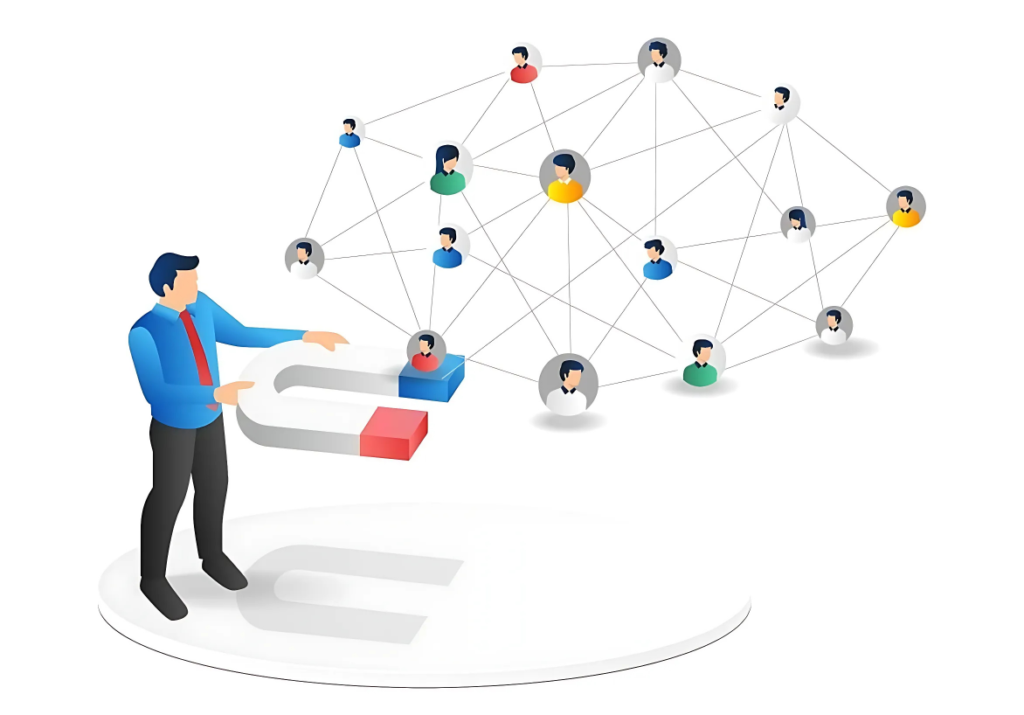
When we think of influencers, the first images that come to mind are often social media stars or industry leaders with massive followings. However, in the world of B2B marketing, a quieter but equally powerful force is gaining traction, what I call the invisible influencer. These aren’t famous executives or large-scale thought leaders; instead, they are the trusted peers, connectors and experts operating within small, tightly knit professional circles. Despite their lower public profile, these invisible influencers have enormous sway over buying decisions behind the scenes. B2B purchasing rarely happens in isolation. Instead, it involves committees, teams from various departments and layered approval processes. This complexity means influence is dispersed among many voices, often those who work behind the scenes and build trust through authentic relationships. These micro-networks exist in private LinkedIn groups, Slack channels, industry forums or even informal email threads. Within these spaces, meaningful conversations occur where marketing messages can either resonate deeply or get lost in the noise. For marketers, this trend demands a shift away from broad, top-down campaigns aimed at large audiences or famous names. Instead, success comes from engaging these micro-networks through trust, authenticity and hyper-relevant content that speaks directly to their unique challenges. It’s about nurturing relationships rather than simply chasing leads. Brands that empower their existing customers and partners to become advocates within their own circles create more sustainable and effective influence. In practice, companies are adapting by hosting small, exclusive virtual roundtables, building customer advocacy programmes tailored to recognise micro-influencers and creating niche content specifically designed for these groups. Sales teams are also being trained to identify and build relationships with invisible influencers during outreach efforts. This approach is less about broadcasting messages widely and more about joining existing conversations and adding genuine value. As B2B buying cycles become increasingly complex and buyers expect more personalised, human experiences, the importance of these invisible influencers will only grow. Brands that can map these hidden webs of influence and engage them thoughtfully will stand out in a crowded marketplace. In a data-driven world obsessed with metrics and scale, the rise of the invisible influencer reminds us that sometimes the most powerful connections are those you can’t easily see but should never overlook. About Author: Saba Idrisi is a seasoned marketing professional, and is passionate about delivering impactful B2B market engagements.

The Rise of the Invisible Influencer and How Micro Networks Are Changing B2B Marketing Read Post »

The Umbrella Theory of Marketing
Blogs

The Umbrella Theory of Marketing: How Being There Before the Storm Changes Everything

Picture this: You step outside on a seemingly perfect day. The sun is shining, birds are chirping, and suddenly, without warning, dark clouds roll in. The first raindrops start to fall. You’re caught unprepared, no umbrella in hand. But then, out of nowhere, someone nearby opens theirs and offers you shelter. Not because you asked, but because they noticed the signs before the downpour. That simple act, a kind hand holding out an umbrella, turns a moment of discomfort into relief. It’s a quiet gesture that says, “I see you. I’ve got you.” In the fast-paced, ever-evolving world of business, this “umbrella moment” is pure gold. “Why Waiting for the Storm Isn’t Enough?“ Too often, companies wait for their clients to signal distress, to send a desperate email, or to voice frustration. By then, the storm is already raging. The damage is done. Trust may already be fraying.But imagine flipping the script. What if you could anticipate the shift in weather, the changing market conditions, emerging challenges, or untapped opportunities, and step forward with a steady hand, ready to shield and support?That’s the power of proactive marketing. “The Quiet Strength of Offering Support Before It’s Asked For“Offering the umbrella isn’t about grand gestures. It’s about the small, thoughtful moves that ripple outward in powerful ways:• Sharing a timely insight that prevents a costly mistake• Sending a personalized recommendation that sparks growth• Connecting the dots in ways your client hadn’t yet considered• Being the calm voice in moments of uncertainty, even before questions ariseThese aren’t just services. They’re signals of genuine partnership. They say, “I’m with you, even when the skies turn grey.” “Building Relationships That Weather Any Storm”True B2B marketing is a marathon, not a sprint. It’s about ongoing presence: regular check-ins, adaptability, and a willingness to evolve alongside your clients.When clients know you’re not just reacting but anticipating, when you show up with an umbrella before the rain falls, you become indispensable. You’re no longer just a service provider. You’re a trusted ally. “Beyond Business: The Human Touch That Creates Lasting Value”At its core, the Umbrella Theory is about empathy and foresight. It reminds us that behind every decision is a person who wants to feel seen, understood, and supported.By being the partner who offers shelter before the storm, you help clients navigate uncertainty with confidence and clarity, turning challenges into new possibilities for growth and collaboration. “The Takeaway“Success isn’t just about solving problems. It’s about being there before the first drop falls, before doubts creep in, before hesitation turns to regret.So next time you think about how you engage with your clients, ask yourself: Am I offering the umbrella?Am I ready to guide, support, and walk alongside them when the skies begin to darken? Because those who do don’t just survive the storm. They thrive in its aftermath. About Author: Garima Rai is a B2B marketing specialist turning real-world experiences into strategic B2B insights, helping brands connect through relevance, reliability and innovation.

The Umbrella Theory of Marketing: How Being There Before the Storm Changes Everything Read Post »

Blogs

Event Storytelling: Turning Every Touchpoint Into a Brand Moment

In today’s saturated event landscape, attendees don’t just remember what they saw, they remember how it made them feel. That’s where event storytelling becomes essential. More than just a trend, storytelling is the ingredient that transforms everyday brand interactions into memorable experiences. The most impactful events are those that convey a clear, emotionally engaging narrative not only from the stage but across every single touchpoint. From the first invitation to the post event follow-up, every detail is a chance to reinforce your brand’s story. Is your email invitation simply a calendar prompt or does it set the tone for what’s to come? Does your registration process feel seamless and consistent with your brand’s voice? Even the waiting moments, the walk to the venue, the welcome at reception, the pre-event playlist all contribute to the story you’re building. Effective storytelling isn’t limited to keynote speakers or video content. It’s present in how your staff interact with guests, the tone of your signage, the messaging within your content, and even the structure of your breakout sessions. When these touchpoints are cohesive and deliberate, they shape a wider, emotionally resonant experience that lasts well beyond the event itself. In B2B events especially, where attendees are used to industry jargon and polished presentations, storytelling adds a human touch making your brand more relatable, trustworthy and memorable. Whether you’re sharing authentic customer experiences, referencing your brand’s origins or presenting a bold vision for the future, storytelling provides context and creates connection. Post-event engagement is often overlooked, but it’s a critical part of the story arc. Your follow-up emails, thank-you notes or community -building activities should feel like a natural continuation of the event, not just a tidy conclusion. This is where lasting relationships are built, turning a one-off encounter into lasting brand loyalty. At its core, great storytelling isn’t about being elaborate, it’s about being consistent. It’s about making sure every touchpoint, no matter how small, reflects your brand’s values, voice, and vision. When executed well, storytelling doesn’t just support your event strategy it becomes the strategy. About Author: Saba Idrisi is a seasoned marketing professional, and is passionate about delivering impactful B2B market engagements.

Event Storytelling: Turning Every Touchpoint Into a Brand Moment Read Post »

Morning coffee symbolizing insights for B2B marketing.
Blogs

The Café Conundrum: What Your Morning Coffee Can Teach You About B2B Marketing

Every morning, countless individuals walk into cafés, faced with a menu full of choices. Some ponder the latest seasonal brew, while others instinctively order their go-to drink. This daily ritual of selecting coffee might seem trivial, but it subtly reflects the behaviours and preferences that drive decision-making in B2B marketing. Consider this: Why does a regular customer stick to their usual order?It’s about trust, consistency, and the comfort of familiarity. These same principles guide B2B relationships. Clients often return to a provider they know will deliver precisely what they need reliably, every time. But cafés don’t thrive on routine alone. They innovate, introducing limited-time offerings and personalised experiences to keep their patrons engaged. A new flavour might catch someone’s eye, drawing them into a fresh experience while still rooted in the comfort of their favourite spot. Similarly, in B2B, businesses must balance dependability with innovation, introducing fresh ideas without disrupting the core services their clients rely on. This interplay of familiarity and novelty mirrors the art of sustaining long-term B2B relationships. By understanding the rhythms of daily life such as the simple act of ordering coffee businesses can glean insights into how to connect with their audience on a deeper level. Whether it’s through personalised interactions or timely innovations, the ultimate goal remains the same: to make every client’s experience feel as satisfying as their perfect cup of coffee. About Author: Garima Rai is a B2B marketing specialist turning real-world experiences into strategic B2B insights, helping brands connect through relevance, reliability and innovation.

The Café Conundrum: What Your Morning Coffee Can Teach You About B2B Marketing Read Post »

B2B event personalization concept showing human touch, connection, and engagement.
Blogs

The Human Touch in B2B Events: Why Personalisation Matters More Than Ever

In an era dominated by technology, the most successful B2B events are those that prioritise human connections. While AI-driven matchmaking and digital interactions enhance convenience, the true value of networking lies in face-to-face engagement. Personalisation, from tailored event agendas to curated one-to-one meetings, ensures that attendees build meaningful relationships. Companies that focus on human-centric experiences, blending digital tools with real-world interactions, will stand out in a crowded market. In an era dominated by automation and digital efficiency, it’s easy to overlook the importance of personal connection in B2B events. While AI-driven matchmaking, event apps, and virtual platforms streamline logistics and enhance accessibility, they can’t fully replicate the energy of real, in-person interactions. At the heart of every successful event lies the ability to forge genuine relationships — ones that spark trust, fuel collaboration, and often lead to long-term business growth. Personalisation is no longer a nice-to-have; it’s a must. Tailored agendas, curated meeting schedules, and content designed around individual interests make attendees feel seen and valued. These thoughtful touches create a sense of purpose, allowing professionals to engage deeply rather than passively consume. Whether it’s a personalised welcome message, a session based on past preferences, or a one-to-one meeting with a potential client, these moments build emotional resonance — something algorithms alone can’t achieve. The future of B2B events lies in striking the perfect balance between technology and human connection. Companies that invest in crafting human-centric experiences — blending digital tools with empathy, insight, and personal engagement — will rise above the noise. From immersive networking lounges to emotion-driven storytelling on stage, the events that succeed will be those that make people feel like more than just attendees — they’ll feel like they truly belong. About Author: Saba Idrisi is a seasoned marketing professional, and is passionate about delivering impactful B2B market engagements.

The Human Touch in B2B Events: Why Personalisation Matters More Than Ever Read Post »

Scroll to Top