
i3R – B2B Marketing Co.

Author name: info@i3rglobal.com

B2B Marketing
Blogs

What Is B2B Marketing? Definition,Examples,Trends

What is B2B Marketing B2B marketing is the process of promoting products or services from one business to another, focusing on ROI, long-term relationships, and data-driven decisions. A professional B2B marketing company in Mumbai helps businesses generate qualified leads, build authority, and drive sustainable growth through strategic digital marketing. B2B marketing is the practice of helping businesses discover, evaluate, and purchase solutions that solve operational challenges, improve efficiencies, or support growth. Instead of appealing to emotions (as B2C brands do), B2B companies must appeal to logic, ROI, data, and long-term value. Examples of B2B businesses include: i3R Global is a strong example of a modern B2B organization, delivering advanced technology solutions that drive business innovation and performance. Why Is B2B Marketing Important? B2B marketing is essential because: 1. High-Value Sales Require Strong Trust Most B2B purchases involve large budgets, long-term contracts, and multiple stakeholders. Without strategic marketing, it becomes difficult to build credibility. 2. Buyers Conduct Extensive Research Before speaking to a salesperson, most B2B buyers have already consumed: Marketing ensures your business appears throughout this journey. 3. Helps Brands Stand Out in Competitive Markets Industries like IT, SaaS, automation, and consulting are crowded. B2B marketing helps i3R Global highlight its unique strengths, expertise, and innovation. 4. Fuels Lead Generation & Revenue Growth With the right marketing strategies, companies can: 5. Strengthens Long-Term Business Relationships B2B is all about partnership, not just purchase. Marketing keeps businesses engaged even after onboarding. What Is the Difference Between B2B and B2C Marketing? Although both involve promoting products and services, B2B and B2C marketing differ significantly. Aspect B2B B2C Target Audience Businesses & decision-makers Individual consumers Buying Motivation Logic, ROI, efficiency Emotion, desire, convenience Decision-Making Process Long, multi-step, multiple stakeholders Quick and personal Content Type Detailed, educational, technical Creative, emotional, visual Sales Cycle Long-term Short-term Relationship Partnership-oriented Transaction-focused i3R Global adopts a value-driven B2B approach designed to build strong, long-term alliances with enterprise clients. What Are Some B2B Marketing Strategies? 1. Define Your Brand Positioning Your brand should clearly communicate: i3R Global’s brand positioning focuses on innovation, reliability, and digital excellence, making it a trusted partner for businesses worldwide. 2. Understand Your Audience Identify: Creating buyer personas helps tailor your messaging and offerings. 3. Outline Your Marketing Mix A strong B2B marketing mix includes: 4. Launch Products When you introduce a new solution: 5. Analyze Results Track KPIs such as: i3R Global uses analytics and insights to continuously refine strategy and performance. What Are Some Trends in B2B Marketing? B2B budgets may be separate and typically renewed once a year This requires long-term planning and forecasting. Spend varies based on ROI and conversion rates Channels like Google Ads, SEO, and LinkedIn deliver measurable ROI, making them B2B favorites. AI-driven targeting and personalization are key focus areas for 2026 AI is transforming B2B marketing with: i3R Global integrates AI to optimize outreach and engagement. B2B Marketing Examples Samsung uses a video marketing strategy Samsung uses high-quality videos to educate businesses about product applications, especially in enterprise technology. HP informs SMEs about printers HP focuses on practical value, helping businesses understand cost savings, efficiency, and reliability. Art-supply brand boosts sales using B2B partnerships By targeting retailers, schools, and corporations, they increased large-volume orders and dealer distribution networks. Creating a B2B Marketing Strategy Step 1: Develop an Overarching Vision Your vision aligns your brand with market needs and long-term goals. Step 2: Define Your Market and Buyer Persona Identify the industries and decision-makers most likely to benefit from your services. Step 3: Identify B2B Marketing Tactics and Channels Choose a combination of organic and paid strategies. Step 4: Create Assets and Run Campaigns Start building: Step 5: Measure and Improve Optimize based on metrics to maximize ROI. B2B Marketing Tactics and Content Formats Popular formats include: B2B Marketing Best Practices Be Human Even in B2B, decision-makers appreciate authenticity, simplicity, and clarity. Target with Precision + Volume Mix account-based marketing (ABM) with broad inbound strategies for maximum effect. Thought Leadership Matters Publishing expert insights positions brands like i3R Global as industry leaders. B2B Marketing Solutions on LinkedIn Native Ads Promote content within the LinkedIn feed. Lead Generation Use instant forms to collect business leads. Retargeting Re-engage website visitors and prospects. Message Ads Send personalized messages to decision-makers. Dynamic Ads Customized creatives for high engagement. Breaking Down B2B Marketing B2B marketing is an ecosystem of strategy, content, technology, and sales alignment—working together to attract ideal clients. What Is B2B Marketing? Marketing solutions from one business to another. How is B2B Marketing Different from B2C? B2B = logical, long-term.B2C = emotional, immediate. The Marketing Funnel Awareness → Consideration → Conversion → Retention Lifecycle Marketing Keeping customers engaged throughout the relationship. Demand Generation & Lead Generation Creating demand comes first; capturing demand follows. Lead Nurturing and Lead Management Helps prospects progress through the funnel. Marketing & Sales Alignment Critical for improving conversions and shortening sales cycles. Build Lasting Relationships That Drive Growth with i3R Global At i3R Global, we combine strategy, technology, and innovation to create marketing experiences that build trust, inspire action, and deliver measurable results. Navigating the Changing B2B Marketing Landscape What Are B2B Buyers’ Expectations Today? What Does the All-Digital Customer Mean? More decisions are made online—even before a sales call. Using Data, AI, and Automation These tools help increase precision and improve customer journeys. Strategising for B2B Content Marketing, Channels, and Messaging What Is B2B Content Marketing? Content that educates, influences, and converts. How Should You Approach Messaging? It must be: Using Account-Based Marketing for Targeted B2B Growth What Is ABM? A strategy that targets specific high-value accounts. How Is ABM Different from Traditional Marketing? ABM is: How to Achieve ABM Success Use: Leveraging the Right B2B Marketing Technology Types of Marketing Tech Comprehensive Solutions All-in-one systems like Salesforce. Specialised Tools SEO tools, email platforms, ABM solutions. Top Martech Trends How i3R Global Can Help i3R Global enables businesses to grow with strategic B2B solutions, including: B2B Marketing FAQs What is B2B marketing? Marketing to businesses

What Is B2B Marketing? Definition,Examples,Trends Read Post »

benefits of events
Blogs

What Are the Benefits of Events?

In an era dominated by digital marketing, one strategy continues to deliver unmatched results, events. While online ads and social media create awareness, events create real connections, real trust, and real conversions. At I3R Global, we have seen firsthand how well-planned events help brands generate high-quality leads, increase credibility, and accelerate business growth faster than traditional marketing alone. If you’re wondering, “What are the benefits of events?”, this guide explains everything you need to know. What Are Events in Business and Marketing? Events are organized gatherings where brands directly engage with their audience. These can be: The goal is simple: connect, engage, and convert. Top Benefits of Events for Businesses and Organizations 1. Builds Strong Human Trust Trust is the foundation of every sale. Events allow people to: This human interaction builds confidence much faster than online ads. When customers trust you, they buy from you. 2. Generates High-Quality Leads Unlike random website traffic, event attendees are already interested in your offerings. This means: At I3R Global, we consistently observe that event leads convert 2–3x better than cold digital leads. 3. Boosts Brand Awareness Instantly A single event can expose your brand to hundreds or thousands of potential customers. Benefits include: Events make your brand memorable. 4. Improves Brand Authority & Credibility Hosting or speaking at events positions your business as an industry expert. When you: Your audience automatically sees you as trustworthy and professional. 5. Increases Sales & Revenue Events create urgency and excitement. Limited-time offers, live demos, and exclusive discounts encourage immediate action. Results often include: Many businesses see higher ROI from events than paid ads. 6. Strengthens Networking Opportunities Events connect you with: These connections often lead to: Networking opens doors that marketing alone cannot. 7. Creates Valuable Marketing Content Events generate reusable content like: You can repurpose this content for: This multiplies your marketing impact. 8. Builds Customer Loyalty When customers attend your events, they feel involved. This leads to: 9. Offers Real-Time Feedback Events provide direct interaction with your audience. You can instantly understand: 10. Complements Digital Marketing Events work best alongside digital strategies. You can: Why I3R Global Recommends Event Marketing At I3R Global, we believe events are not just gatherings — they are growth engines. Through strategic planning, promotions, and engagement, events help businesses: ✔ Build trust✔ Generate leads✔ Increase sales✔ Improve brand reputation✔ Create long-term relationships Whether offline, online, or hybrid, events deliver measurable ROI. Offline vs Online Events – Which Is Better? Type Benefits Offline Personal connection & stronger trust Online Wider reach & cost-effective Hybrid Maximum exposure & engagement Hybrid events are becoming the most effective option today. Final Thoughts If you want faster and sustainable business growth, don’t rely only on digital ads. Add events to your marketing strategy. Because when people experience your brand in real life, they remember you, and they choose you. With the right planning and execution, events can become your most powerful growth tool. And at I3R Global, we help businesses turn events into measurable success. Read Also – B2B Growth Engine

What Are the Benefits of Events? Read Post »

Blogs

B2B Growth Engine: Why Leading with Value is the Only Networking Hack You Need

The most effective networking hack for accelerating business growth is simple, yet rarely executed: lead with unsolicited value and make the ask zero in the first interaction. For marketing leaders, this principle mirrors what we already know works in modern marketing—value precedes conversion. Traditional networking often resembles outdated outbound marketing: an immediate pitch, a rushed CTA, or a premature request for time or budget. Predictably, it triggers resistance. The value-first approach flips this script entirely, aligning networking with high-performing marketing strategies like content-led growth, community building, and account-based marketing. By prioritising trust and reciprocity—the true currencies of B2B relationships—you’re effectively warming the market before ever asking for demand. When you focus on what you can give an exclusive market insight, a data-backed trend you’re seeing across campaigns, a candid lesson from a failed launch, or a strategic introduction to someone solving a similar problem, you position yourself not as a vendor, but as a credible brand asset and growth partner. This is the human equivalent of delivering a high-value thought leadership asset before asking for a demo. For marketing leaders, this shift transforms networking into pipeline enablement. Conversations move from transactional selling to strategic collaboration. You’re no longer “pitching”—you’re co-creating relevance, building mental availability, and earning trust long before a brief, budget, or RFP exists. The result is stronger brand equity, shorter sales cycles, and relationships that convert because they were nurtured, not chased. About Author: Saba Idrisi is a seasoned marketing professional, and is passionate about delivering impactful B2B market engagements.

B2B Growth Engine: Why Leading with Value is the Only Networking Hack You Need Read Post »

Business Growth through F2F
Blogs

Propelling Business Growth through F2F 

Face-to-face (F2F) events help businesses go onwards and upwards, expanding their market reach. F2F events enable the company to build authentic relationships, establish credibility and thought leadership, gather immediate feedback, and generate quality leads that lead to higher conversion rates.  Today’s digital age makes human contact highly valued. F2F interactions allow representatives to engage directly with potential clients, use non-verbal cues like eye contact and body language, and put a “face” to the brand. This personal touch encourages trust and rapport, which are essential for building long-term business relationships and customer loyalty that are difficult to achieve through digital means alone. Participation in industry events, trade shows, and conferences also enhances a company’s visibility within its target market. Such exposure positions the organisation as an active and relevant player in its sector, often amplified by media coverage and social media engagement.  Moreover, F2F events offer platforms for sharing insights, participating in panel discussions, or hosting workshops. This allows a company to demonstrate its industry expertise and innovative solutions, positioning itself as a thought leader and a credible choice over competitors.  In-person events are powerful tools for generating leads. Direct interaction makes it easier to identify prospects, understand their specific needs and pain points in real-time, and tailor solutions on the spot. This often shortens the sales funnel and leads to higher conversion rates compared to other marketing channels. Additionally, interacting with a diverse audience of customers, prospects, partners, and even competitors provides invaluable feedback on product offerings, messaging, and market trends. These insights help refine future strategies and product development to better align with the market needs.  Events allow for interactive product demonstrations and engaging experiences that evoke positive emotions in potential customers. People remember experiences that resonate with them emotionally, which can significantly influence their purchasing decisions and encourage word-of-mouth referrals.  By strategically integrating F2F events with its marketing efforts, companies can maximize its overall market reach and drive sustainable business growth.  Your thoughts are welcome, and should you wish to learn more about how we facilitate these, please DM me along with your contact number and email id and we will share the details with you.

Propelling Business Growth through F2F  Read Post »

B2B Marketing
Blogs

Less Noise, More Impact: Redefining B2B Marketing Through Simplicity 

In today’s world, every brand is shouting louder than the other with more content, more campaigns, more data and definitely more noise. But in B2B marketing the brands that are truly standing out aren’t the ones screaming the loudest; they’re the ones speaking the clearest. Simplicity has quietly become the strongest differentiator. Over the years, I’ve noticed that the biggest challenge for most B2B marketers isn’t lack of creativity or strategy, it’s overcomplication. We keep adding layers of jargon, multiple touchpoints and complex funnels, forgetting that our audience is human too. Simplicity doesn’t mean being basic; it means being clear, relevant and easy to connect with. Whether it’s a campaign, a pitch deck or a website, the goal should be to make the message effortless to absorb. When communication flows naturally, decision-making follows. The simpler the experience, the faster the trust builds. Think about it: an overloaded campaign with ten CTAs rarely performs better than one sharp, meaningful message that connects emotionally and professionally. Even when we talk about automation or AI tools in B2B marketing, the focus shouldn’t be on using every shiny new feature; it should be about how those tools simplify the buyer’s journey. Minimalism in design, precision in storytelling and clarity in communication are now driving engagement better than loud visuals or complex content. The beauty of simplicity is that it allows the real value to shine through your product, your expertise and your intent. At the end of the day, B2B marketing isn’t about who makes the most noise. It’s about who creates the most impact quietly, clearly and confidently.  

Less Noise, More Impact: Redefining B2B Marketing Through Simplicity  Read Post »

Powering MICE Experiences Through Marketing
Blogs

Powering MICE Experiences Through Marketing

The MICE industry — Meetings, Incentives, Conferences and Exhibitions has become one of the most influential platforms for business engagement today. Yet what truly brings life to MICE events is the strategy behind them and that’s where marketing plays a vital role. Every meeting, conference or exhibition is more than just an event; it’s an opportunity to connect businesses, build relationships and create brand experiences that leave a lasting impression. Marketing forms the backbone of every MICE initiative. It begins long before the event itself, shaping the way organisations communicate, promote and position themselves in the market. Through thoughtful campaigns, storytelling and outreach, companies attract the right audience, people who not only attend but also engage, collaborate and influence decisions. In this way, marketing ensures that each event delivers real value by connecting the right brands with the right people. The pre-event phase is where marketing truly sets the stage. From digital promotions and personalised invitations to content that builds curiosity, every effort aims to generate anticipation and awareness. It helps brands showcase their expertise and establish credibility, making delegates look forward to meaningful interactions. Once the event begins, marketing continues to play its part by curating impactful experiences. Whether through engaging visuals, live demonstrations or thoughtful communication, it ensures that every touchpoint reflects the essence of the brand. After the event, the focus of marketing shifts towards relationship building. The connections made during MICE events are nurtured through follow-ups and thank-you mailers. This sustained engagement helps convert leads into long-term business relationships. The insights gathered from delegate behaviour and feedback also help brands refine their future strategies, ensuring each event becomes more effective than the last. In simple terms, MICE creates the space, but marketing gives it purpose. The two complement each other perfectly, one offering the platform the other driving the connection. When done right, this combination transforms ordinary events into meaningful business experiences, helping brands grow, collaborate and stay relevant in an ever-evolving industry. About Author: Saba Idrisi is a seasoned marketing professional, and is passionate about delivering impactful B2B market engagements.

Powering MICE Experiences Through Marketing Read Post »

Real-Talk-About-AI-in-Marketing
Blogs

Real Talk About AI in Marketing: A Reality Check on Automation, Creativity and Value

Let’s be honest—most of us have felt that mix of excitement and uneasiness every time a new AI tool makes the news. On one hand, it promises more content, smarter insights and higher ROI. On the other hand, it can feel like technology is inching closer to taking over our jobs. I’ve been exploring this space for a while, experimenting with where AI fits into daily workflows. And here’s what I’ve realized: AI isn’t here to replace marketers, creatives or strategists. It’s here to amplify us. It gives us back time, sharpens our focus and helps us double down on the parts of work that only humans can do. AI isn’t “the future taking over”, it’s the toolkit for those who want to thrive in the future.   AI as the Strategic Partner For years, we’ve been bogged down by repetitive tasks sorting through endless data, segmenting lists or trying to identify patterns hidden in the noise. This is where AI really proves its worth. Take predictive analytics or lead scoring, for example. Instead of guessing who’s ready to engage, AI can quickly process thousands of signals, web activity, downloads, interactions and highlight what truly matters. The value isn’t just speed; it’s focus. It helps us move from broad, scattershot campaigns to more meaningful, targeted conversations. Content That Connects, Not Just Churns A common fear I hear is that AI-generated content will turn every blog or email into a bland, lookalike piece. I see it differently. For me, AI is a research assistant, not the author.  I lean on it to summarize topics, surface stats, or suggest fresh angles. But the insight, voice, and storytelling? That’s my job. That’s where human marketers shine. AI clears the heavy lifting so I can put more energy into narrative, emotion and connection the things algorithms can’t fake. The Bigger Picture   AI isn’t about removing people, it’s about removing friction. It frees us from repetitive, time-draining tasks and shifts the focus from chasing volume to delivering value. The people who thrive won’t be the ones resisting AI, but the ones learning how to integrate it thoughtfully using it to elevate strategy, creativity and relationships. That’s where the real edge lies. And in my experience, that’s where the magic starts. About Author: Saba Idrisi is a seasoned marketing professional, and is passionate about delivering impactful B2B market engagements.  

Real Talk About AI in Marketing: A Reality Check on Automation, Creativity and Value Read Post »

Daily Routines Can Teach Big Marketing Discipline
Blogs

The Commute Lesson: How Small Daily Routines Can Teach Big Marketing Discipline

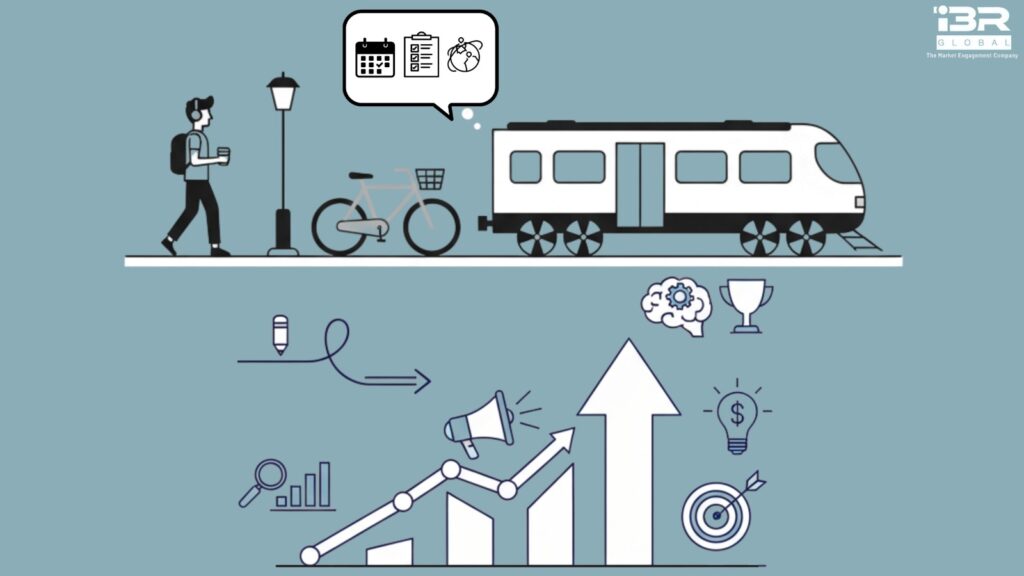
Every morning, millions of professionals start their day the same way: coffee in hand, a quick glance at emails, and the commute begins. At first glance, it’s routine, but hidden within this daily ritual are powerful lessons for marketing. Take planning, for example. Commuters check traffic, prepare for delays, and leave on time to ensure a smooth journey. In marketing, campaigns need the same foresight. Anticipating challenges, preparing content in advance, and mapping audience touchpoints can prevent last-minute chaos and ensure campaigns stay on track. Consistency is another lesson from the road. Those who commute regularly know that steady routines create reliability and momentum. Similarly, consistent marketing efforts such as regular emails, content updates, and engagement activities build trust with audiences and gradually strengthen relationships. Adaptability is equally important. Any seasoned commuter has faced sudden roadblocks: train delays, traffic jams, unexpected weather. The ability to pivot quickly is crucial. Marketers face the same reality. Audience behaviour shifts, market conditions fluctuate, and campaigns sometimes underperform. Flexibility, whether it’s adjusting messaging, reallocating budgets, or experimenting with new approaches, is key to staying relevant. Then there’s attention to detail. On the road, noticing a faster lane or a quieter route makes a difference. In marketing, observing subtle audience cues such as email opens, webinar attendance, or content downloads can guide strategy and create more impactful campaigns. Finally, patience and timing are essential. Just as a rushed commuter may miss a train, impatient marketers may push campaigns too quickly or overlook the right moment for engagement. Understanding when to act and when to wait can make all the difference. The daily commute, seemingly ordinary, is actually a microcosm of marketing discipline. Planning, consistency, adaptability, attention to detail, and timing are all essential for navigating complex B2B campaigns are lessons we can glean from the journeys we take every day. Sometimes, it’s the simplest routines that teach the most profound lessons. About Author: Garima Rai is a B2B marketing specialist turning real-world experiences into strategic: B2B insights, helping brands connect through relevance, reliability and innovation.

The Commute Lesson: How Small Daily Routines Can Teach Big Marketing Discipline Read Post »

Technology v/s Humanity
Case studies

Technology v/s Humanity: Who Wins the Battle?

Challenge As a result of the COVID-19 pandemic in 2020, traditional marketing efforts were severely disrupted. Due to limitations in infrastructure, digital channels have become the default method of customer engagement, thus resulting in digital fatigue, shortened attention spans, and indecision among marketers. Due to these challenges, many individuals were uncertain how to proceed in an uncertain environment. Approach Instead of focusing on survival through cost-cutting, we looked for new opportunities. Our strategy changed from focusing only on technology to prioritizing human connections, empathy, and brand building. The process involved: Solution As a result of this strategy, technology was combined with human empathy effectively, resulting in: To sum it up, the real challenge isn’t between technology and humanity—it’s how these two are combined. Our campaigns are successful because we blend innovation with empathy for impactful results. Want to design a digital campaign that connects? Reach out today!

Technology v/s Humanity: Who Wins the Battle? Read Post »

Launching a brand in the Middle East Region.
Case studies

Expanding Horizon – Launching a brand in the Middle East Region.

Challenge i3R Global was hired in 2015 to help one of India’s most prominent companies in the Middle East launch its real estate business. The goal was to help non-resident Indians (NRIs) invest in business opportunities in their home country. However, penetrating the Middle Eastern business was very hard. We needed to develop a complete strategy that would work with the region’s economy and culture. We had to build a presence for our business and get quality leads and customers to interact with us.  Approach Our core strategy team and PR specialists came up with a targeted plan to deal with these challenges. Focusing on the client’s brand goals and objectives, the team came up with a theme that resonated with the aspirations of potential investors. The strategy involved: Solution i3R Global executed a highly successful strategy that resulted in: With the completion of this project, i3R Global has set a new benchmark for its Middle East operations, with a full-time presence in the MENA region by 2018.

Expanding Horizon – Launching a brand in the Middle East Region. Read Post »

dynamics of the client-customer relationship
Case studies

How, a tailored experience changed the dynamics of the client-customer relationship in 3 days?

Challenge The leading technology company was having a hard time fostering lasting, meaningful relationships with its B2B customers through traditional events. While many companies in the industry resorted to face-to-face engagements, few succeeded in leaving a lasting brand impression post-event. The client needed an innovative, experience-driven program that would not only bring customers and potential customers together but also elevate their brand, foster mutual understanding, and increase revenue. The primary challenge was designing an event that emphasized the customer experience without devolving into a generic sales pitch. Approach i3R Global was selected to tackle this challenge because of its unique approach to customer engagement. With a lean team structure and a reputation for delivering cost-effective solutions, we worked closely with the client to create a tailored customer program. The goal was clear: deliver an event that resonated with the brand’s mission while fostering deep client-customer relationships. The program was meticulously designed to stand out through: The maiden event, held within just six months of i3R Global’s launch, involved international speakers and 98% participation, enabling rich client-customer connections over two days. Solution The result was a stunningly effective flagship program that transformed the dynamics of the client-customer relationship. Key outcomes included: This program has since become a cornerstone of the client’s customer engagement strategy, managed annually by i3R Global, both domestically and internationally.

How, a tailored experience changed the dynamics of the client-customer relationship in 3 days? Read Post »

Scroll to Top